Dandruff is often dismissed as a minor cosmetic concern—a few white flakes on the shoulders or occasional scalp itching. However, the reality is far more complex. Millions of people struggle with dandruff, yet many remain unaware of its deeper impact on scalp health and hair growth.
One of the biggest unmet needs in dandruff management today is awareness. Many patients do not fully understand the connection between dandruff, scalp inflammation, persistent itching, and even hair fall. This lack of knowledge often delays treatment and allows scalp conditions to worsen over time.
Q. what is the single biggest unmet need in dandruff management?
A. Many patients are unaware of the relationship between dandruff, scalp inflammation, itching, and hair fall. Improved awareness regarding these associations could encourage earlier intervention, better treatment adherence, and more proactive scalp care practices.''
- Dr. Anju jha
Mbbs Md ,dvd, Dermatologist
Kolkata
Dandruff Is More Than Just Flakes
Dandruff is a common scalp condition characterized by excessive shedding of dead skin cells. While flakes are the most visible symptom, dandruff is frequently accompanied by:
-Scalp irritation
-Redness and inflammation
-Persistent itching
-Increased scalp sensitivity
-Discomfort and embarrassment
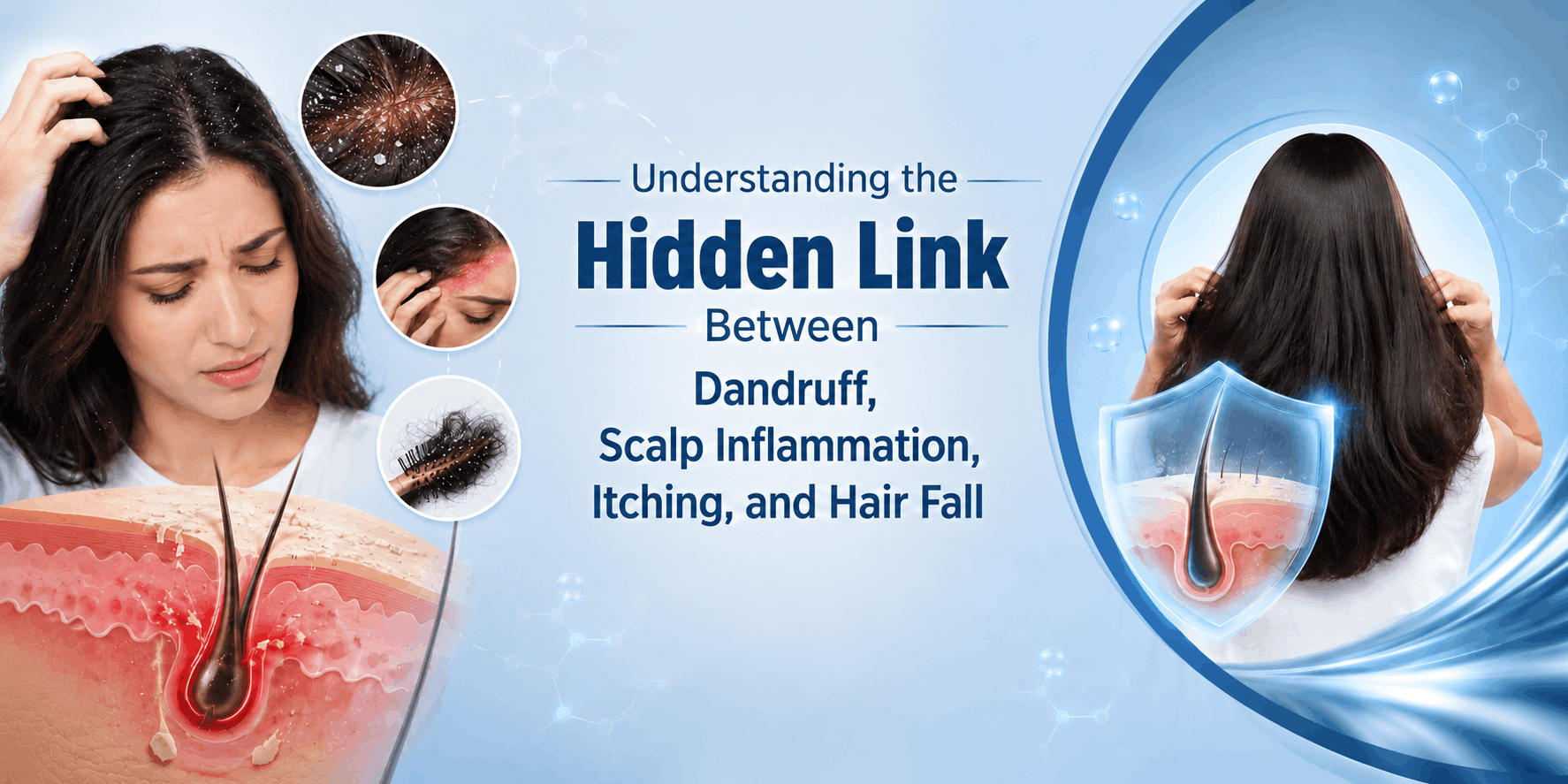
Because flakes are the most noticeable sign, people often focus solely on eliminating them, overlooking the underlying scalp inflammation that drives the condition.
The Hidden Role of Scalp Inflammation
When dandruff develops, the scalp's natural barrier becomes disrupted. This can trigger an inflammatory response that irritates the skin and causes itching. Inflammation creates an unhealthy environment for hair follicles, affecting their normal growth cycle.
Over time, chronic scalp inflammation may contribute to:
-Weakening of hair roots
-Increased hair shedding
-Reduced hair quality
-Difficulty maintaining a healthy scalp environment
Although dandruff itself may not directly cause permanent hair loss, the inflammation and scratching associated with it can contribute to excessive hair fall and scalp damage.
Why Itching Should Never Be Ignored
Many people consider scalp itching a normal part of dandruff and simply tolerate it. However, persistent scratching can worsen the problem.
Frequent scratching may:
-Damage the scalp surface
-Increase inflammation
-Cause micro-injuries to the skin
-Further weaken hair follicles
-Lead to increased hair shedding
This creates a cycle where dandruff causes itching, scratching worsens inflammation, and inflammation contributes to hair fall.
Why Early Intervention Matters
The earlier dandruff is addressed, the easier it is to control symptoms and protect scalp health.
Early intervention can help:
-Reduce scalp inflammation
-Relieve itching and discomfort
-Minimize scratching-related damage
-Improve scalp barrier function
-Support healthier hair growth
Consistent scalp care and appropriate treatment can significantly reduce the long-term impact of dandruff on both scalp and hair health.