Hair loss is one of the most common concerns faced by both men and women.
Pattern baldness, also known as androgenetic alopecia, is the most common form of hair loss. It occurs due to a combination of genetics and hormonal factors that gradually shrink hair follicles over time.
Unfortunately, there is currently no permanent cure for pattern baldness. Once a hair follicle becomes completely inactive, it cannot naturally produce healthy hair again.
However, early intervention can help:
Slow down hair loss progression
Strengthen existing hair
Improve hair density and thickness
Stimulate weakened follicles to produce healthier strands
The sooner treatment begins, the better the chances of preserving existing hair.
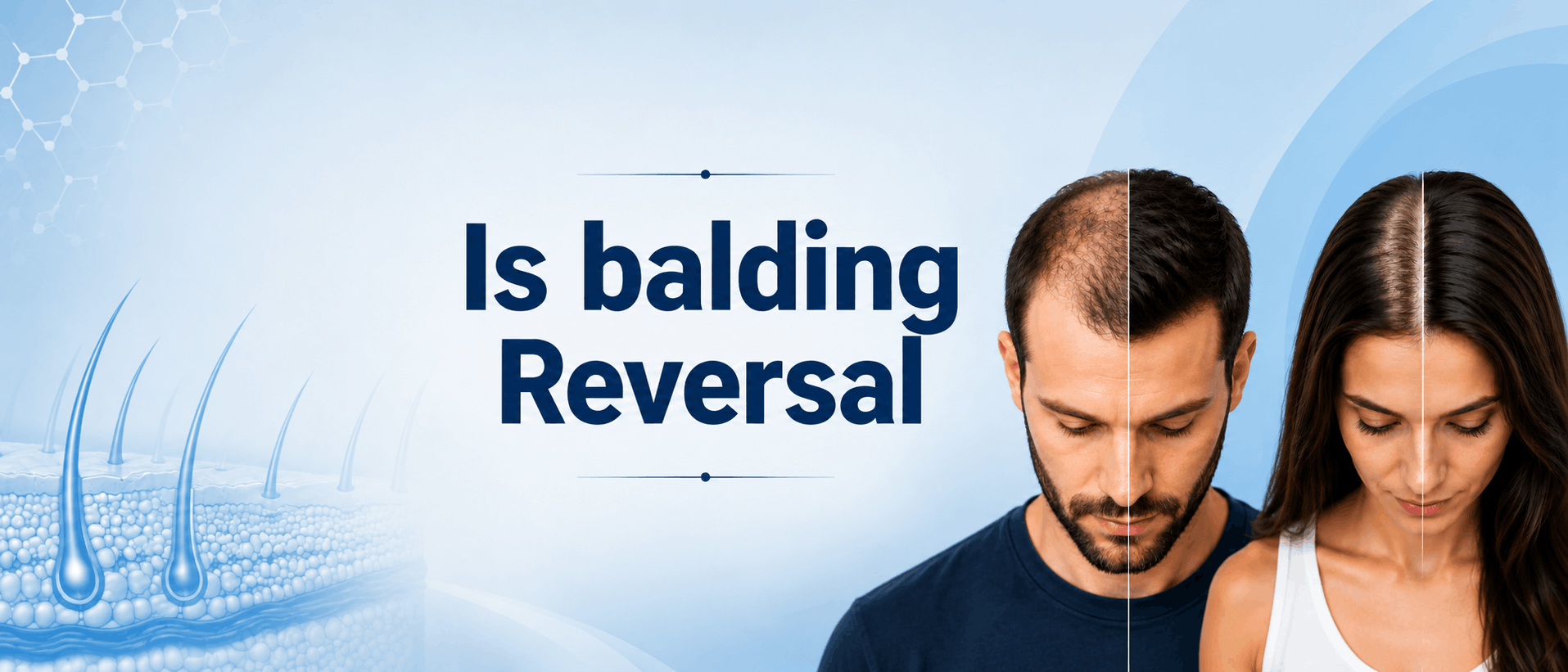
Q. Is balding reversible?Ans. There's no cure for pattern baldness, although other forms of hair loss are often reversible. ''
- Dr. LIPY GUPTA
MBBS, Dermatologist
South Delhi
Hair Loss That Can Be Reversed -
Not all hair loss is permanent. Several types of hair fall can be temporary and reversible when the underlying cause is identified and treated.
1. Stress-Related Hair Loss
Physical or emotional stress can push hair follicles into a resting phase, leading to excessive shedding. Once stress levels are managed, hair often regrows naturally.
2. Nutritional Deficiencies
Low levels of iron, protein, vitamin D, zinc, and other essential nutrients can contribute to hair fall. Correcting these deficiencies can support healthy hair growth.
3. Hormonal Imbalances
Conditions such as thyroid disorders, postpartum hormonal changes, and certain medical conditions can trigger hair loss. Treating the underlying issue may help restore normal hair growth.
4. Scalp Conditions
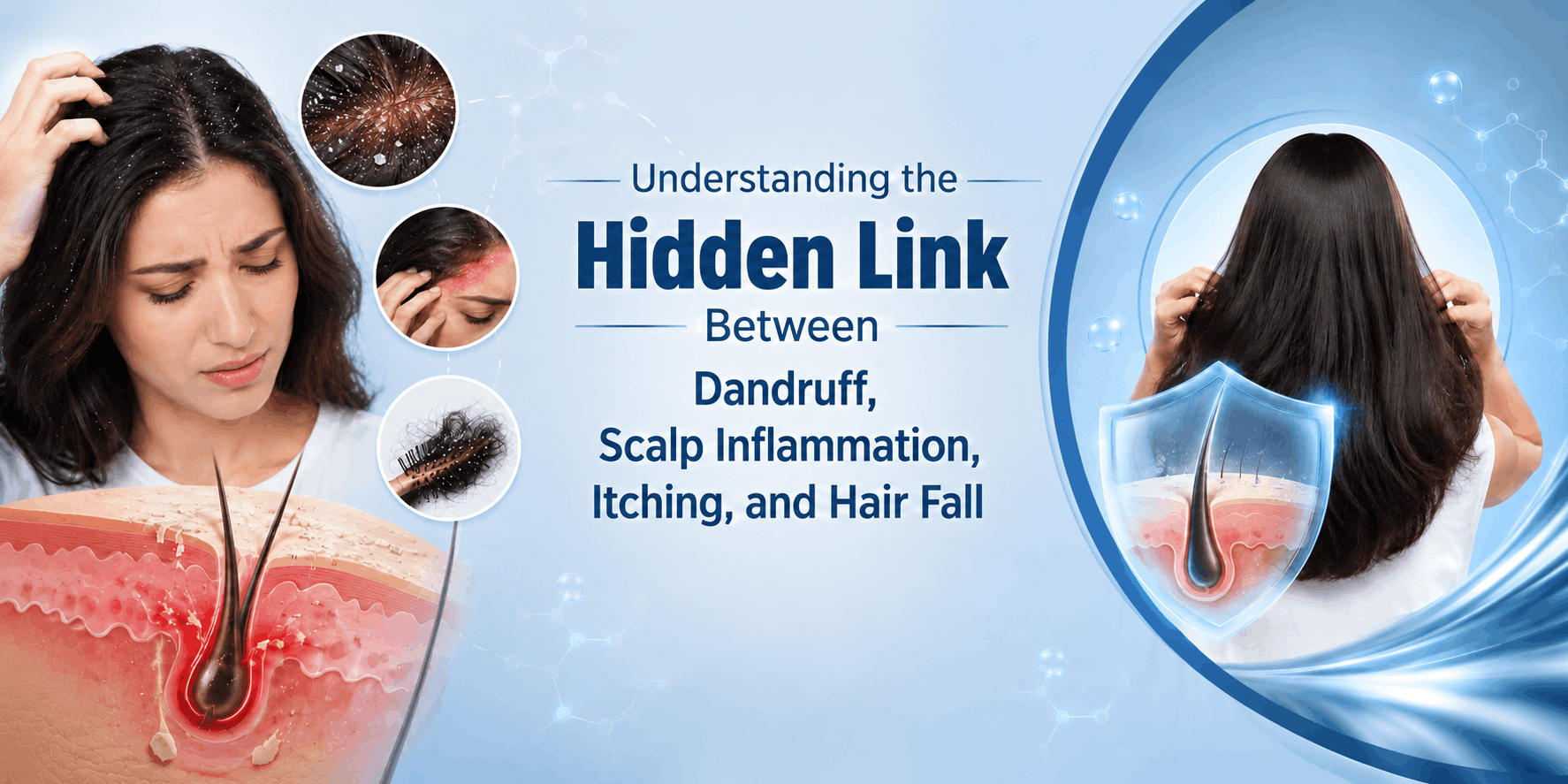
Dandruff, scalp inflammation, fungal infections, and other scalp disorders can weaken hair follicles. Proper treatment can improve scalp health and reduce hair fall.
5. Certain Medications or Illnesses
Some medications and medical treatments can cause temporary hair loss. In many cases, hair growth resumes after the treatment ends or the condition improves.
When Should You See a Dermatologist?
Sudden or excessive hair shedding
Receding hairline
Widening part line
Visible scalp patches
Thinning hair that continues for several months
Early diagnosis helps determine whether your hair loss is reversible and allows treatment to begin before significant follicle damage occurs.